𐄀 Technology Connection to Future
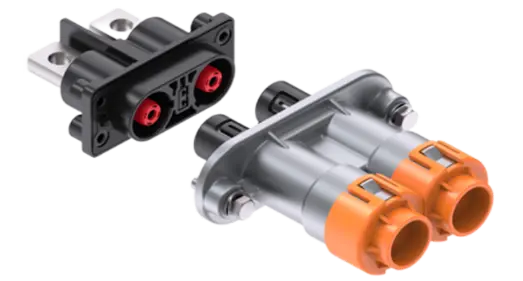



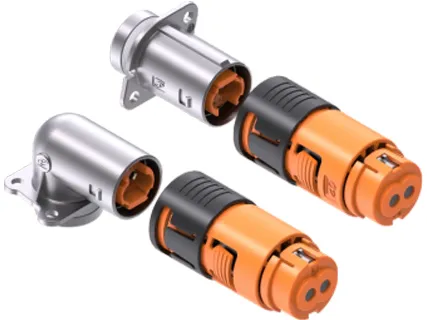
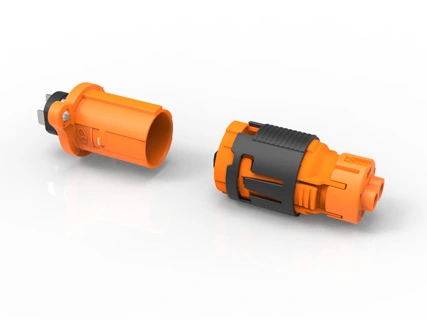
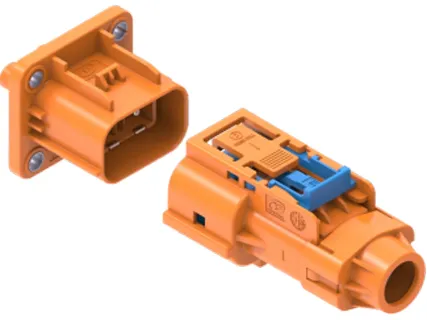
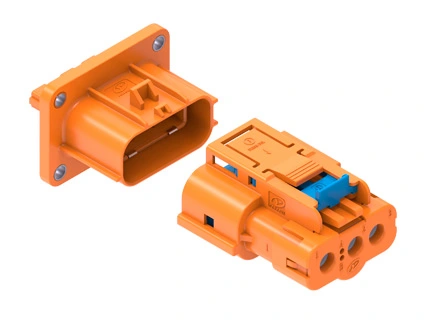
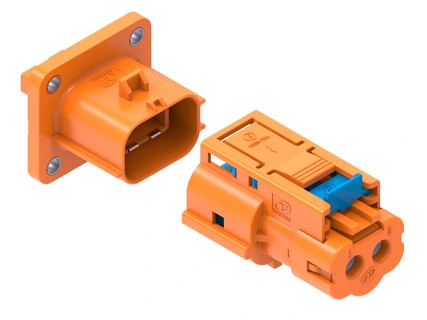
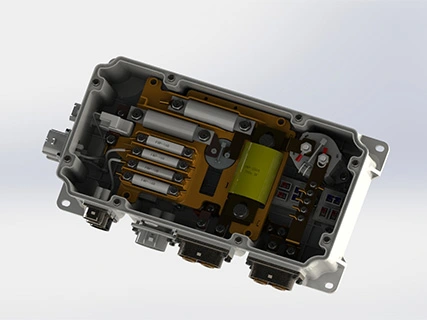
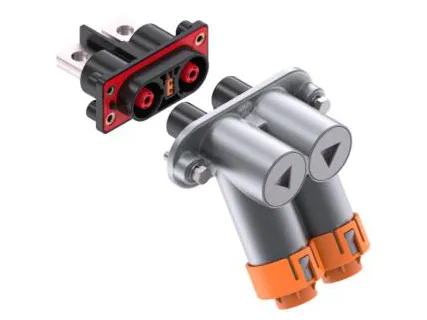
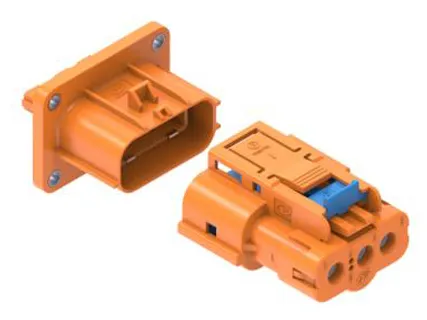
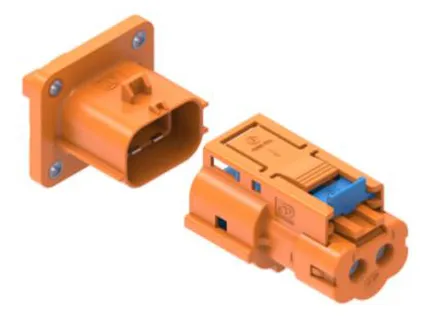
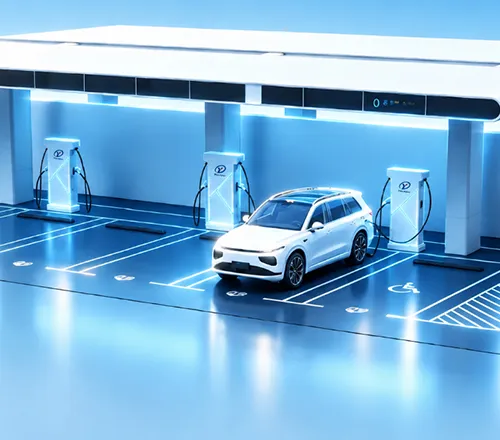
Electric vehicles (EVs) are revolutionizing the automotive industry as sustainable and clean transportation options gain popularity. As the electric vehicle connectors market grows, the need for efficient and standardized electric vehicle charging solution becomes increasingly crucial.
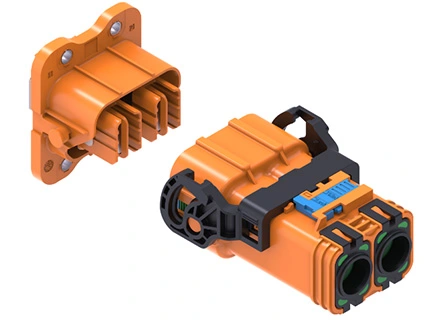
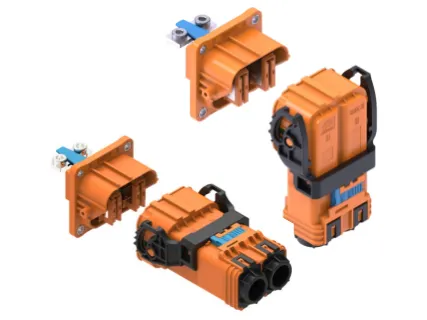
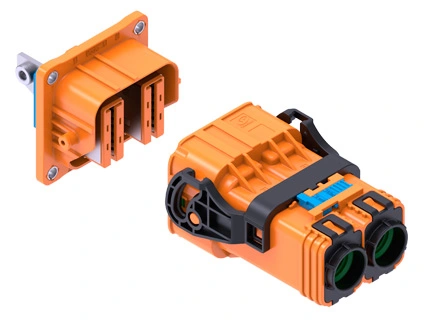
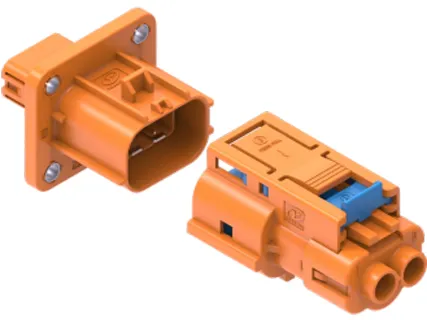
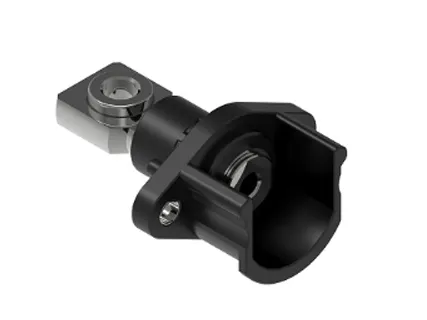
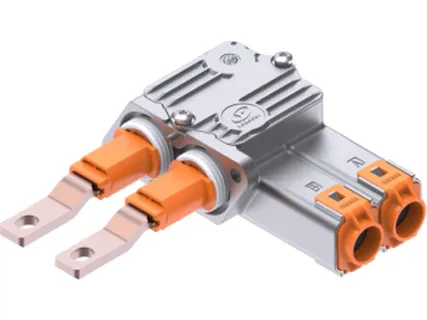
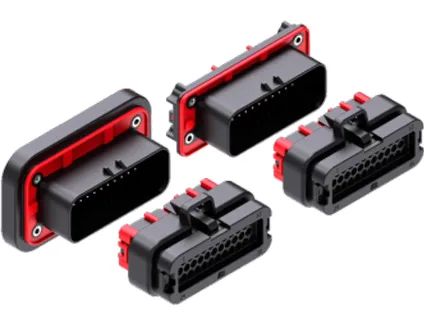
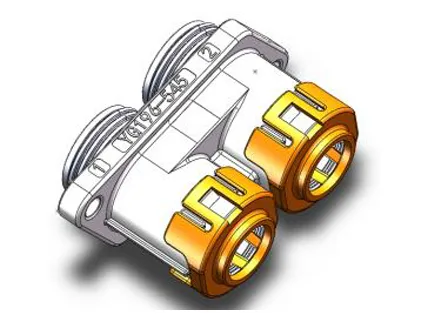
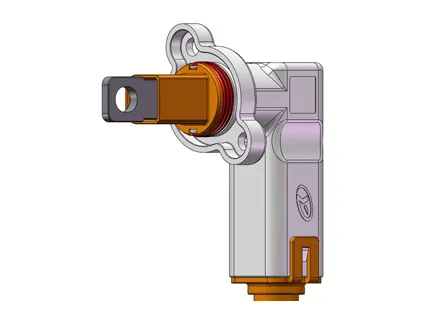
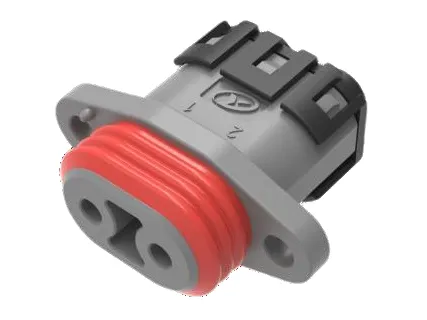
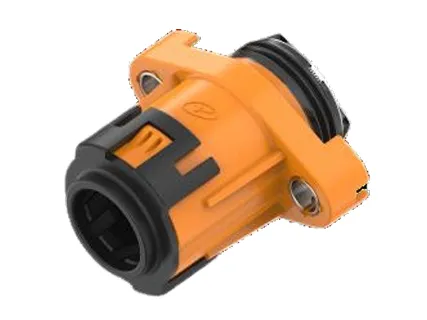
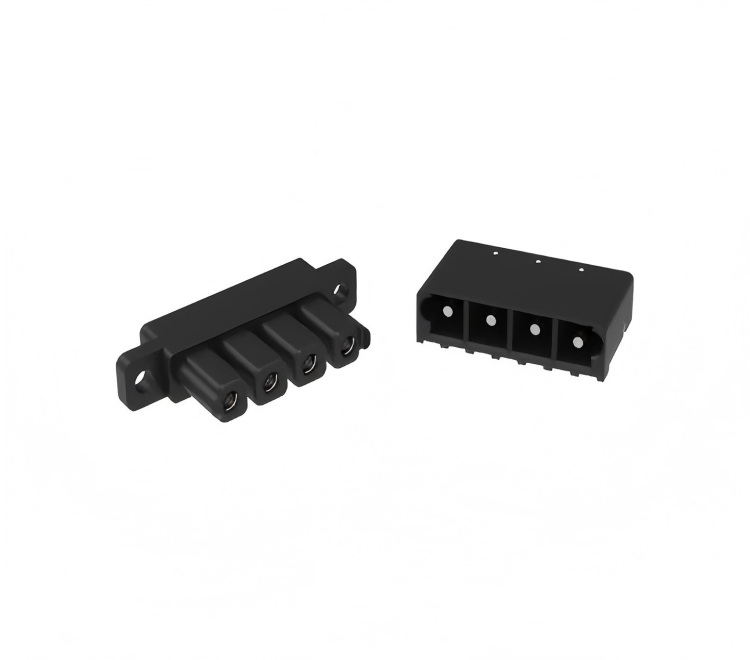
As a leading global EV connector manufacturer, Yonggui Electric's EV charging connectors ensure a safe and reliable transfer of electricity from the grid to the vehicle, enabling efficient charging. A high-quality electric vehicle connectors ensures compatibility between various vehicle models and charging infrastructures, creating a seamless charging experience for EV owners.

Most cars have the standard J1772-type Level 2 charging port. J1772 chargers operate at Level 2 in the majority of home, business, and retail environments, although having the ability to charge at Level 1 speeds.

A group of Japanese automakers created CHAdeMO, an early version of DC fast charging. To optimize charging choices, CHAdeMO connectors—short for CHArge de MOve, or "move using charge"—appear alongside J1772 connectors. But demand for these chargers has been declining, and it seems doubtful that they will continue to command a sizable portion of the market.

Because they include a J1772 outlet, CS Type 1 / CCS Type 2 connectors, also known as the Combined Charging System, allow for Level 2 or Level 3 charging using a single port for both AC and DC charging. Carmakers in Europe and America have embraced the CCS model.
The global market for electric vehicle connectors was valued at US$ 87.2 million in 2022 and is projected to increase at a compound annual growth rate (CAGR) of 16.5% from 2023 to 2030, when the EV connectors market is projected to reach US$ 196.9 million by some electrical connectors manufacturers.
The Type 2 connector, which has three phases and a maximum charging capacity of 43 kW, is the industry standard for automobiles made in Europe and Asia starting in 2018. A variant of type 2 with two extra power contacts is called CCS. CCS EV charging connectors enable lightning-fast charging.
Tailoring connectors to your unique needs.
Provide system-level solutions
Respond to needs within 12 hours

Tailoring connectors to your unique needs.
Provide system-level solutions
Respond to needs within 12 hours
 English
  日本語
日本語  Deutsch
  ไทย
ไทย  русский
  العربية