𐄀 Technology Connection to Future
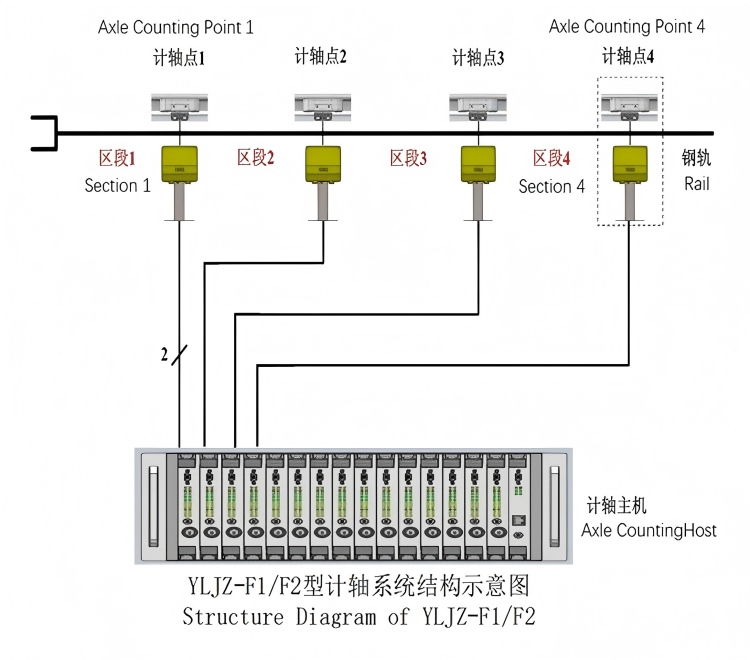


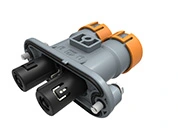
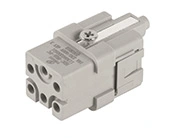
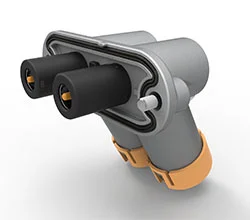
A train journey begins long before passengers enter the carriage. Behind every smooth departure, precise stop, and safe movement is a continuous flow of detection data that railway systems rely on to understand what is happening on the track. Among the many technologies supporting this process, the axle counter sensor serves as a critical information point, transforming wheel movements into reliable data for train detection and railway control decisions.
The challenge is that railway environments rarely provide ideal operating conditions. A sensor installed beside the track must continue working through seasonal temperature changes, mechanical vibration, heavy traffic cycles, and outdoor exposure while maintaining consistent detection accuracy. This makes the performance of an axle counting system dependent not only on sensing technology, but also on structural design, signal stability, and long-term operational reliability.
As railway networks become more intelligent and interconnected, the role of reliable axle detection continues to expand. Yonggui Electric focuses on developing railway solutions that combine engineering precision and practical application experience, helping operators build detection systems capable of delivering stable performance across diverse railway environments.
Railway infrastructure is built across a wide range of geographical and climatic conditions, meaning trackside equipment must operate reliably despite unpredictable external influences. An axle counter sensor installed in an open railway environment may face temperature fluctuations, moisture, dust, vibration, electromagnetic interference, and mechanical impact throughout its service life.
Temperature variation is one of the major factors affecting sensor reliability. Railway systems may operate in regions with extreme seasonal changes, where equipment must maintain stable electrical and mechanical performance during both hot summers and cold winters. A reliable sensor design requires materials and structures that can tolerate thermal stress without affecting detection accuracy.
Moisture and contamination present another challenge. Rain, humidity, snow, and dust particles can influence exposed railway components if protection measures are insufficient. For this reason, an advanced axle counting system requires sensors with durable construction and effective protection against environmental exposure.
Mechanical conditions are equally important. Passing trains generate vibration and repeated mechanical loads, especially on busy railway lines. Over time, these forces may affect installation stability or internal components if the sensor design is not optimized for railway applications.
The ability to maintain reliable operation under these conditions is one of the key differences between standard detection equipment and professional railway-grade solutions. Yonggui Electric considers real operating environments during product development to support stable railway applications under challenging conditions.
| Challenge Factor | Impact on Sensor Performance | Reliability Requirement |
|---|---|---|
| Temperature changes | May influence electrical and mechanical stability | Stable operation across different climate conditions |
| Moisture and dust | Can affect internal components and connections | Strong protection and durable construction |
| Mechanical vibration | May create stress on sensor structures | Robust design for continuous railway operation |
| Electromagnetic interference | Can influence signal transmission quality | Reliable signal stability and system compatibility |
The fundamental purpose of an axle counter sensor is to accurately detect train wheel passages and provide dependable information for railway signaling systems. Because train detection decisions rely on this information, detection accuracy is one of the most important indicators of overall system performance.
A reliable axle counting system must distinguish real train movements from potential interference caused by environmental or operational factors. Inaccurate detection may affect track occupancy monitoring, traffic scheduling, and railway management efficiency.
Several elements influence detection accuracy, including sensor sensitivity, installation precision, signal processing capability, and compatibility with the overall signaling system. A high-quality sensor must maintain consistent performance regardless of train speed, weather conditions, or daily operating frequency.
Modern railway networks increasingly require detection systems that provide both accuracy and stability. For high-density railway operations, even small performance variations may influence traffic efficiency. Therefore, the selection of a reliable axle counter sensor is an important decision for railway operators and system integrators.
Yonggui Electric focuses on engineering solutions that support accurate and stable railway operations by considering both individual component performance and complete system requirements.

Long-term reliability is determined not only by sensor technology but also by how the product is designed and constructed. A railway-grade axle counter sensor must combine mechanical strength, electrical stability, and environmental resistance to maintain performance throughout years of operation.
Structural design plays an important role in protecting internal components from external stress. Railway equipment experiences continuous vibration and mechanical impact, requiring sensor housings and mounting structures to provide sufficient durability while maintaining accurate positioning.
Material selection also directly affects service life. Durable materials help improve resistance against temperature changes, corrosion, and mechanical wear. Proper material combinations allow sensors to maintain stable performance even after prolonged exposure to demanding railway environments.
Manufacturing consistency is another essential factor. Since railway systems often deploy large numbers of sensors across extensive networks, consistent product quality helps ensure predictable system performance and simplifies maintenance management.
A dependable axle counting system depends on the reliability of every component within the detection chain. By focusing on precision engineering and quality control, Yonggui Electric supports railway applications requiring stable long-term performance.
Accurate detection is only valuable when the information can be transmitted and integrated reliably into the railway signaling system. Therefore, signal stability is a critical factor affecting the performance of an axle counting system.
During operation, railway equipment may experience electromagnetic interference from electrical systems, communication equipment, and nearby infrastructure. A reliable axle counter sensor must maintain stable signal output and work effectively with other railway control components.
System integration also influences overall performance. Modern railways rely on interconnected technologies, including signaling platforms, monitoring systems, and operational management solutions. Sensors must provide accurate and compatible data to ensure smooth communication between different parts of the railway network.
A well-integrated axle counting solution improves operational confidence by providing accurate track occupancy information. This supports better train scheduling, reduces unnecessary operational interruptions, and enhances railway efficiency.
Yonggui Electric develops railway-related solutions with attention to practical integration requirements. Customers evaluating railway detection technologies can explore Yonggui Electric’s railway product solutions to understand available technologies for different applications.
Even highly reliable railway equipment requires proper maintenance to achieve its expected service life. The performance of an axle counter sensor can be influenced by installation conditions, operating environment, and maintenance practices throughout its lifecycle.
Regular inspection helps identify potential issues before they affect railway operations. Checking mounting conditions, connection status, and system performance allows operators to maintain stable detection capability and reduce unexpected downtime.
Installation quality is another important factor. Incorrect positioning or insufficient protection may reduce detection accuracy and increase maintenance requirements. Professional installation procedures help ensure that sensors perform according to their design specifications.
A reliable axle counting system should also consider lifecycle efficiency. Products designed for durability and easy maintenance can help railway operators reduce long-term operating costs while maintaining safe and efficient service.
Because railway projects differ in operating conditions and technical requirements, professional communication is important when selecting suitable solutions. Yonggui Electric provides technical support for customers seeking railway application solutions through its technical contact channel.
The reliability of an axle counter sensor is determined by multiple factors working together, including environmental adaptability, detection accuracy, structural durability, signal stability, and maintenance performance. In railway applications, reliable axle detection is not achieved through a single technology feature but through comprehensive engineering design.
As railway systems continue moving toward higher efficiency, automation, and smarter operation, the importance of dependable axle counting systems will continue to increase. Through engineering innovation and application-focused solutions, Yonggui Electric helps railway operators build detection systems capable of delivering stable performance across different railway environments.
An axle counter sensor detects train wheel passages and provides information used by railway signaling systems to monitor train movement and track occupancy.
Detection accuracy ensures reliable train position information, helping railway systems improve safety and operational efficiency.
Temperature changes, moisture, dust, vibration, and electromagnetic interference can influence sensor performance and service life.
Mechanical structure, material selection, manufacturing quality, and environmental protection all contribute to long-term sensor reliability.
Stable signal transmission ensures accurate communication between sensors and railway control systems.
Proper installation, regular inspection, suitable operating conditions, and reliable system design help extend sensor service life.


 English
  日本語
日本語  Deutsch
  ไทย
ไทย  русский
  العربية