𐄀 Technology Connection to Future
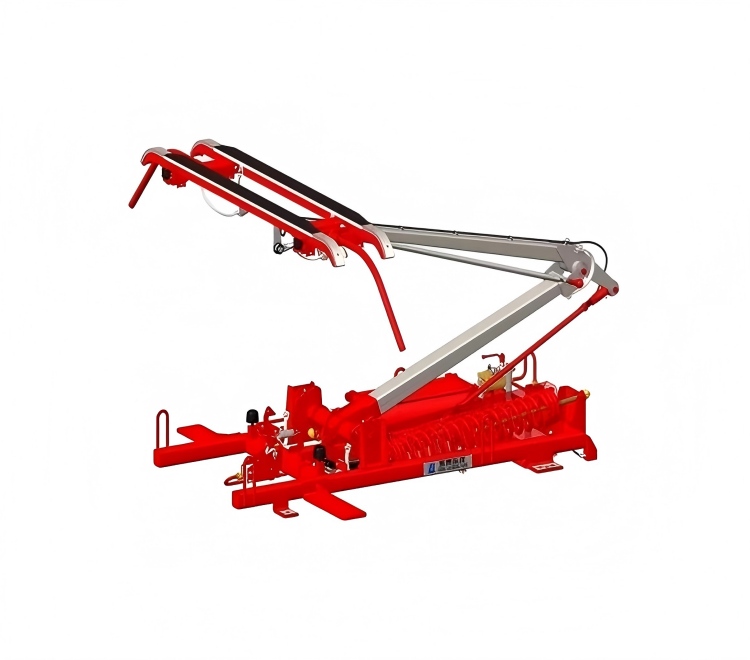


Railway operators rely on thousands of interconnected components to keep electric trains running safely and efficiently, but few components experience the same level of continuous mechanical and electrical stress as the pantograph. As the direct connection between the train and the overhead catenary system, the pantograph plays a decisive role in maintaining stable power collection during daily operation.
When a pantograph in railway systems performs poorly, the impact is not limited to the component itself. Unstable contact, excessive wear, or electrical faults can affect train availability, increase maintenance workload, and create additional challenges for railway operation teams.
For this reason, preventing pantograph failures has become an important part of railway maintenance management. Instead of waiting for equipment damage to occur, many operators are focusing on condition monitoring, regular inspection, and optimized maintenance strategies to improve system reliability.
This article discusses the most common railway pantograph problems, the reasons behind these failures, and effective methods for improving the service life and performance of different types of pantograph used in modern electric railway systems.
The performance of a pantograph in railway applications depends on the continuous interaction between the train-mounted equipment and the overhead catenary system. During operation, the pantograph must maintain stable contact while adapting to train movement, vibration, speed changes, and variations in the contact wire position.
One of the most common problems is unstable contact between the pantograph head and the catenary. The pantograph requires the correct contact force to collect electrical power efficiently. If the contact force is too low, intermittent contact may occur, resulting in power interruptions and electrical arcing. If the force is too high, both the carbon strip and contact wire may experience accelerated wear.
Mechanical component degradation is another frequent issue. A railway pantograph contains various moving parts, including lifting mechanisms, springs, hinges, and support structures. These components operate repeatedly throughout the train service cycle, and long-term mechanical stress may gradually reduce their performance.
Environmental conditions can also affect pantograph reliability. Railway systems operating in regions with extreme temperatures, heavy precipitation, dust, or strong winds may face additional challenges. Contamination on contact surfaces, corrosion, and mechanical resistance can influence the stability of power collection.
Different types of pantograph are designed for different railway applications. High-speed rail systems usually require lightweight designs with excellent dynamic performance, while urban rail systems may focus more on compact structure and frequent operation capability. Regardless of the design, proper inspection and maintenance remain essential for reliable operation.
The relationship between the pantograph and catenary is one of the most important factors affecting railway power supply stability. A properly matched system allows continuous current collection, while poor interaction between these two components can create operational problems.
One major cause of contact problems is incorrect catenary geometry. The contact wire must remain within the working range of the pantograph during train movement. Changes caused by installation conditions, infrastructure aging, or mechanical deformation may lead to uneven contact and increased wear.
Train speed is another important factor. At higher speeds, the pantograph needs to respond quickly to changes in the overhead line position. If the suspension system cannot compensate for dynamic movement effectively, contact loss may occur, affecting electrical performance.
External conditions may further increase the risk of contact failure. Strong wind can cause movement of the overhead wire, while ice, dust, or other contaminants may reduce electrical contact quality. In these situations, the reliability of the pantograph in railway systems depends heavily on both equipment design and maintenance practices.
Regular inspection of the complete pantograph-catenary system helps identify early signs of abnormal operation. By monitoring contact conditions and addressing alignment issues promptly, railway operators can reduce failures and improve system availability.

Wear is a natural part of railway pantograph operation because the equipment is continuously exposed to mechanical movement and electrical current transfer. However, uncontrolled wear can significantly reduce efficiency and increase the possibility of unexpected failures.
The carbon strip is one of the most critical wear components in a pantograph. It maintains direct contact with the overhead line and gradually loses material during operation. When the carbon strip reaches an excessive wear level, it may affect current collection performance and potentially damage the catenary system.
Electrical arcing is another common problem associated with poor contact conditions. When the pantograph temporarily loses contact with the overhead wire, electrical arcs may occur. Repeated arcing creates localized heat, damages contact surfaces, and accelerates material deterioration.
The impact of wear and arcing varies depending on railway conditions. High-speed railways, heavy-load routes, and frequently operated urban transit systems may place greater demands on pantograph components. Therefore, selecting suitable types of pantograph and applying proper maintenance schedules are important for long-term reliability.
| Common Pantograph Problem | Main Cause | Impact on Railway Operation | Prevention Method |
|---|---|---|---|
| Carbon Strip Wear | Continuous contact with overhead wire during operation | Reduced current collection quality and increased risk of damage | Regular inspection and timely replacement |
| Contact Instability | Incorrect contact force or catenary irregularity | Power interruptions and electrical arcing | Adjust contact conditions and inspect catenary alignment |
| Electrical Arcing | Temporary loss of contact between pantograph and wire | Heat damage and accelerated component wear | Monitor abnormal sparking and improve maintenance response |
| Mechanical Wear | Long-term operation and repeated movement | Reduced lifting performance and system reliability | Inspect mechanical components regularly |
Early detection is one of the most effective ways to prevent railway pantograph failures. Instead of relying only on corrective repairs after breakdowns occur, modern railway operators increasingly use inspection programs and condition monitoring methods to identify potential problems in advance.
Visual inspection remains a fundamental maintenance approach. Technicians can examine carbon strip wear, mechanical deformation, unusual surface damage, and signs of electrical arcing. These observations provide valuable information about the current condition of the equipment.
Condition monitoring technologies provide additional support by collecting operational information during train service. Monitoring changes in contact behavior, vibration patterns, and abnormal operating conditions can help maintenance teams determine whether intervention is required.
For different types of pantograph, inspection requirements may vary depending on operating speed, railway environment, and service conditions. A high-speed railway pantograph may require more frequent monitoring because dynamic interaction with the catenary becomes more sensitive at higher speeds.
Combining regular inspection with data-based maintenance allows railway operators to move from reactive repairs toward preventive management, reducing downtime and improving operational efficiency.
Preventive maintenance is essential for maintaining the reliability of a pantograph in railway systems. A well-developed maintenance strategy focuses on identifying potential risks before they develop into serious failures.
Maintenance schedules should consider actual operating conditions, including train frequency, route characteristics, environmental exposure, and equipment usage. Different railway applications may require different inspection intervals and replacement strategies.
Proper adjustment of contact pressure is another important maintenance activity. The pantograph must maintain sufficient contact with the overhead line while avoiding excessive pressure that accelerates wear. Balanced adjustment improves both power collection performance and component lifespan.
Replacing worn components at the appropriate stage is also important. Waiting until a component completely fails may increase repair costs and create unnecessary service interruptions. Planned replacement helps railway operators maintain stable operation.
Yonggui Electric provides railway electrical connection solutions and related products designed to support reliable railway operation. With experience in railway applications, Yonggui Electric helps customers improve equipment reliability through suitable product solutions and technical support.
More information about Yonggui Electric’s railway-related solutions is available on the products page.
Long-term reliability of railway pantographs requires more than high-quality components. Effective maintenance management combines equipment inspection, technical evaluation, spare parts planning, and operational experience.
Railway operators should develop maintenance strategies based on actual equipment conditions rather than relying only on fixed replacement periods. Operating environments differ significantly, and factors such as climate, route conditions, and traffic density can influence component lifespan.
Working with an experienced supplier can also improve maintenance efficiency. A knowledgeable manufacturer can provide technical recommendations, product support, and solutions that match specific railway requirements.
As electric railway networks continue to expand, improving pantograph reliability will remain an important goal for operators worldwide. Understanding different types of pantograph, identifying common failure causes, and implementing effective maintenance practices can help achieve safer and more efficient railway operations.
For technical consultation, project requirements, or cooperation opportunities related to railway solutions, customers can communicate with Yonggui Electric through the contact page.
A pantograph in railway systems operates under continuous mechanical and electrical stress, making reliability management essential for modern electric rail transportation. Problems such as contact instability, component wear, electrical arcing, and environmental impact can gradually reduce performance if they are not properly controlled.
Through regular inspection, condition monitoring, preventive maintenance, and suitable equipment selection, railway operators can significantly reduce pantograph failures and improve overall system availability.
With increasing demand for reliable and efficient railway transportation, effective pantograph maintenance management will continue to play an important role in ensuring safe operation and long-term infrastructure performance.
A pantograph collects electrical power from the overhead catenary system and transfers it to the train traction system for operation.
Common problems include unstable contact, carbon strip wear, electrical arcing, mechanical aging, and pantograph-catenary interaction issues.
Electrical arcing usually occurs when the pantograph temporarily loses stable contact with the overhead wire, causing electrical discharge and heat generation.
Regular inspection, condition monitoring, preventive maintenance, and timely replacement of worn parts can effectively reduce failures.
Yes. Different types of pantograph are designed for applications such as high-speed railways, metro systems, and conventional electric railways.
Operating speed, environmental conditions, maintenance quality, contact conditions, and component materials all influence service life.

 English
  日本語
日本語  Deutsch
  ไทย
ไทย  русский
  العربية