𐄀 Technology Connection to Future
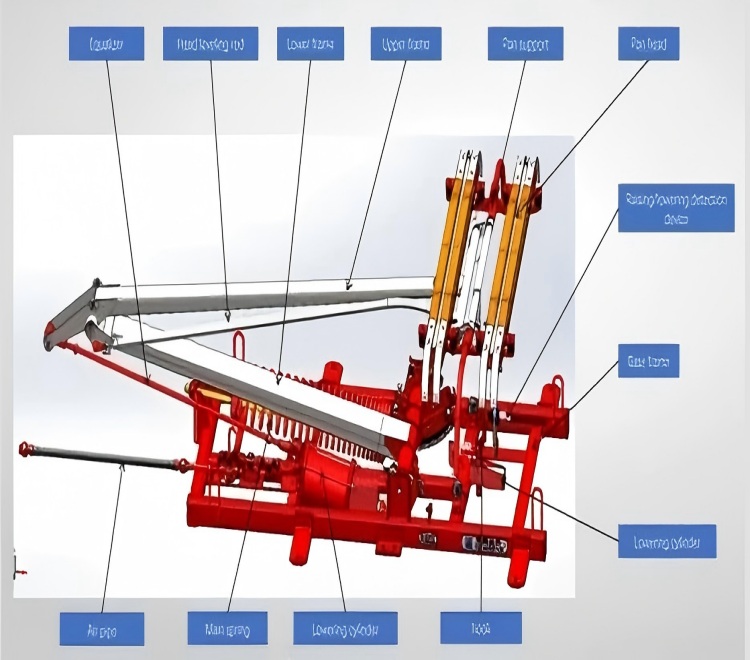


The reliability of an electric railway system depends on many interconnected components, but few are as critical as the interface that transfers electrical energy from the overhead network to the train. The electric locomotive pantograph serves as this essential connection point, directly affecting power collection stability, operational safety, and overall railway efficiency.
As railway networks continue to demand higher speeds, greater capacity, and longer operating cycles, pantograph selection has become an important engineering decision rather than a simple equipment choice. Factors such as catenary compatibility, aerodynamic behavior, structural durability, material performance, and maintenance requirements all determine whether a pantograph electric train can achieve reliable performance under real operating conditions.
For railway operators, infrastructure developers, and system integrators, understanding these engineering considerations helps ensure better equipment matching and long-term operational reliability. Yonggui Electric applies its experience in railway electrical connection technologies to support the development of dependable pantograph solutions designed for different railway environments and performance requirements.
Railway operating environments vary significantly, and pantograph design must be adapted according to specific application requirements. High-speed railways, metro systems, heavy-duty electric locomotives, and regional rail networks each create different challenges for electrical power collection.
In high-speed railway applications, aerodynamic stability and rapid mechanical response are essential. When trains operate at high speeds, the pantograph must maintain continuous contact with the overhead catenary while responding quickly to variations in wire height and track conditions. Poor dynamic performance may result in contact loss, electrical arcing, and accelerated component wear.
For urban rail transit systems, frequent acceleration, braking, and repeated daily operation place greater emphasis on mechanical reliability. A high-quality electric locomotive pantograph must withstand continuous movement cycles while maintaining stable lifting and lowering performance.
| Railway Application | Key Pantograph Requirements | Performance Focus |
|---|---|---|
| High-speed railway | Lightweight structure, aerodynamic optimization, accurate contact control | Stable power collection at high operating speeds |
| Metro and urban rail | High cycle durability and reliable mechanical operation | Continuous daily service performance |
| Heavy electric locomotive | Strong structure and high current transmission capability | Reliable operation under heavy electrical loads |
| Regional railway | Environmental adaptability and practical maintenance design | Long service life and operational stability |
Environmental conditions also influence pantograph performance. Temperature fluctuations, humidity, dust, ice, and strong winds can affect mechanical movement and electrical contact quality. Therefore, a reliable pantograph electric train solution must be designed for stable operation across different climates and railway environments.

The interaction between the pantograph and catenary system is one of the most important factors influencing railway power collection performance. The pantograph must maintain consistent contact with the overhead conductor while allowing sufficient flexibility to follow changes in the catenary structure.
If contact pressure is too low, unstable current transmission may occur, causing electrical arcing and temporary power interruptions. On the other hand, excessive contact force increases friction and accelerates wear on both the contact strip and overhead wire. Achieving the correct balance is essential for improving efficiency and extending component lifespan.
Modern electric locomotive pantograph designs incorporate optimized suspension structures, lightweight components, and precise mechanical control systems. These improvements enable the pantograph head to respond quickly to changes in the overhead line, helping maintain smooth and reliable power collection.
Yonggui Electric focuses on railway electrical solutions that consider both individual component performance and complete system requirements. For customers evaluating railway electrical components and related solutions, Yonggui Electric provides detailed product information through its railway product portfolio, helping engineers identify suitable solutions for different application scenarios.
The durability of an electric locomotive pantograph is closely related to its structural design and material selection. Since pantographs operate under continuous mechanical movement, electrical load, and outdoor exposure, each component must achieve a balance between strength, weight, conductivity, and resistance to environmental stress.
A lightweight structure helps improve response speed and reduces vibration during operation. However, the frame must still maintain sufficient mechanical strength to withstand repeated lifting cycles, aerodynamic forces, and long-term operational stress.
The contact strip is one of the most important components because it directly interacts with the overhead conductor. Its electrical conductivity and wear resistance influence current collection stability and maintenance frequency. Meanwhile, support arms, joints, and suspension components must provide reliable mechanical performance throughout the equipment lifecycle.
Through continuous improvement in engineering design and material application, Yonggui Electric develops railway solutions focused on durability and operational reliability. A well-designed pantograph electric train system can reduce unexpected failures and improve the efficiency of railway maintenance management.
For railway operators, equipment performance is measured not only by initial installation success but also by long-term operational value. A reliable electric locomotive pantograph should maintain stable performance while reducing maintenance requirements and minimizing service interruptions.
Regular inspection and preventive maintenance play an important role in extending pantograph service life. Operators typically monitor contact strip wear, mechanical movement, electrical connection performance, and structural condition to identify potential issues before they affect train operation.
A lifecycle-focused approach helps railway companies improve maintenance planning and control operating costs. By selecting pantograph solutions that match actual service conditions, operators can achieve better reliability throughout years of continuous railway operation.
Yonggui Electric considers long-term application requirements during product development, helping customers balance performance, durability, and maintenance efficiency in demanding railway environments.
A pantograph is an important part of the railway electrical system and must work effectively with traction power equipment, overhead networks, and onboard control systems. Proper integration is necessary to ensure stable energy transmission and prevent compatibility issues.
Different railway networks may operate with different electrification standards, voltage requirements, and current demands. Therefore, selecting an appropriate electric locomotive pantograph requires careful evaluation of the complete railway power system rather than focusing only on individual component specifications.
Important considerations include electrical compatibility, current collection capability, mechanical response, and coordination with train control systems. These factors determine whether the pantograph can deliver consistent performance during continuous operation.
For railway projects requiring technical communication about application requirements, Yonggui Electric offers professional support through its contact , allowing customers to discuss specific railway conditions and solution requirements with the company’s technical team.
Although modern pantographs are designed for demanding railway applications, continuous operation introduces several challenges that can affect reliability. Mechanical vibration, environmental exposure, electrical fluctuations, and changing operating conditions all influence long-term performance.
One major challenge is maintaining stable contact between the pantograph and catenary during different speeds and operating conditions. Even short periods of contact instability can create electrical arcs, damage contact surfaces, and reduce energy transmission efficiency.
Weather conditions create additional challenges. Ice formation, strong winds, temperature variations, and airborne particles may affect pantograph movement and contact performance. As a result, a dependable pantograph electric train solution must combine mechanical strength, environmental adaptability, and reliable electrical performance.
With continuous advances in railway engineering, material technology, and system optimization, Yonggui Electric supports the development of more reliable pantograph solutions for modern railway networks where safety and efficiency are critical.
Selecting the right electric locomotive pantograph requires comprehensive evaluation of railway environment, operating conditions, catenary interaction, structural design, material performance, and power system integration.
A properly selected pantograph electric train solution improves current collection stability, reduces maintenance challenges, and supports more efficient railway operation. As railway systems continue to evolve toward higher speeds and greater reliability, pantograph technology will remain a key factor in achieving dependable electrical performance.
With its focus on railway electrical technology and long-term application requirements, Yonggui Electric continues to provide solutions that help railway operators and system integrators meet the challenges of modern electric transportation.
An electric locomotive pantograph collects electrical power from the overhead catenary system and transfers it to the train’s traction system for operation.
Stable interaction ensures continuous electrical contact, reduces arcing, and improves power collection efficiency.
Durability depends on structural design, material selection, operating environment, contact wear, and maintenance practices.
A reliable pantograph system provides stable power transmission, reduces interruptions, and supports efficient train operation.
Operators should consider railway type, operating speed, electrical requirements, environmental conditions, and lifecycle performance.
Materials influence weight, conductivity, wear resistance, corrosion protection, and the overall service life of the pantograph.

 English
  日本語
日本語  Deutsch
  ไทย
ไทย  русский
  العربية