𐄀 Technology Connection to Future
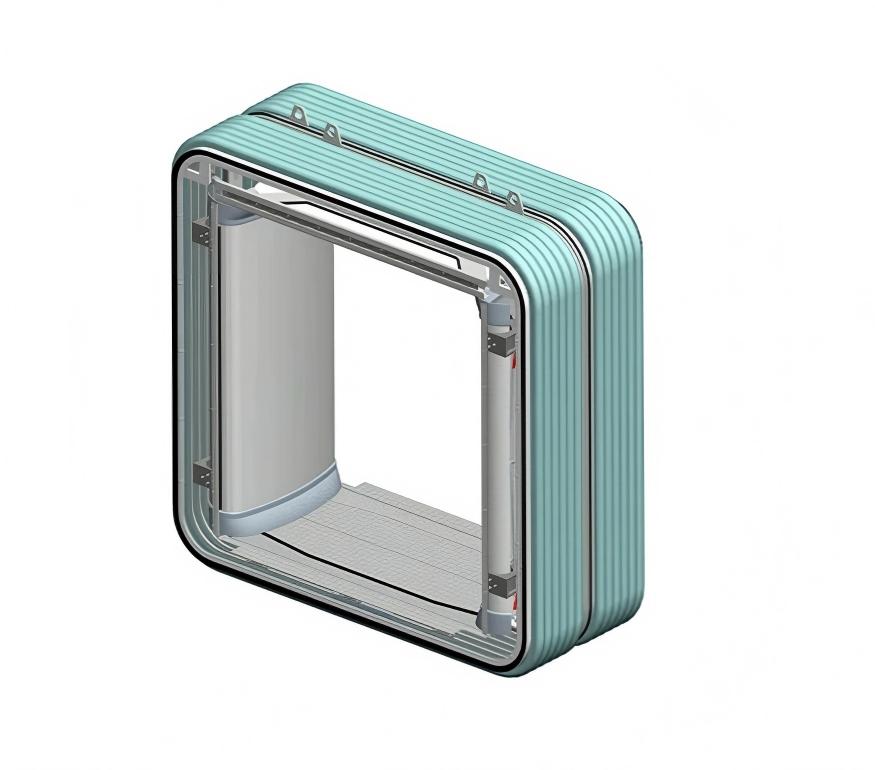


The global transit sector is undergoing a massive transformation, driven by urban expansion and the demand for sustainable infrastructure. Modern multi-car transit vehicles, such as high-speed trains, metros, and articulated buses, require seamless internal connection systems to ensure passenger safety and operational efficiency. At the heart of this vehicle integration is the gangway connection.
Choosing a high-flexibility gangway system is a critical engineering decision. These sub-systems must constantly endure complex, dynamic stresses during daily operations while protecting passengers from external environments. This comprehensive guide outlines the vital selection criteria for transit operators and vehicle manufacturers seeking reliable gangway solutions.
A gangway train or articulated bus relies on its flexible connection system to create a continuous, safe corridor for passengers moving between cars. Beyond simple passage, modern gangway systems act as protective barriers against weather, noise, and mechanical vibrations.
When navigating tight curves, S-tracks, or uneven road surfaces, the vehicle segments experience simultaneous pitch, roll, and yaw movements. A low-quality connection can stiffen, causing accelerated wear on the vehicle chassis, or worse, tear under structural stress. Therefore, prioritizing high-flexibility and advanced material composition is essential to extending the overall service life of the transit asset.

When evaluating suppliers for your fleet, focus on the following core engineering and performance indicators:
The flexible bellows of the connection must feature advanced elastomers or specialized composite fabrics. These materials must maintain high elasticity across a wide temperature spectrum. High flexibility prevents material fatigue from cyclic bending, ensuring the corridor accommodates sharp turns without compromising structural integrity.
Daily operations expose a gangway train to constant mechanical tension and compression. The structural frame and bellows configuration must be engineered to distribute these dynamic forces evenly. A robust construction reduces localized stress concentrations, which minimizes unexpected tear risks and lowers long-term maintenance overhead.
Passenger comfort is a primary differentiator in modern transit design. High-quality gangway systems incorporate multi-layered acoustic barriers that isolate interior spaces from harsh wheel-rail contact noises or heavy bus engine sounds. Effective noise reduction directly improves the overall travel experience.
Whether deployed in freezing alpine environments or humid coastal regions, environmental sealing is paramount. The connection must offer excellent UV protection, ozone resistance, and watertight sealing to safeguard internal electronic lines and passenger walkways from moisture ingress.
While the foundational purpose of these connection systems remains the same, the specific engineering tolerances vary significantly between rail transit and articulated bus platforms.
| Selection Metric | Rail Gangway Systems | Bus Gangway Systems |
|---|---|---|
| Primary Motion Stress | High longitudinal tracking & multi-axis track vibration | High-frequency horizontal angular turning & road bumps |
| Acoustic Requirement | High wheel-rail decibel damping | Engine and road surface noise isolation |
| Typical Core Material | Fire-retardant silicone/rubber composites | Heavy-duty EPDM or thermoplastic elastomers |
| Compliance Focus | Stringent rail fire safety standards (EN 45545) | Automotive safety and structural weight reduction |
One of the most complex engineering challenges in articulated vehicle design is managing the routing of power, control, and communication lines across the vehicle articulation joint. The interior of the gangway bellows must not only serve as a passenger walkway but also act as a secure protective conduit for hundreds of vital sub-system cables.
As a gangway train or articulated bus articulates through sharp curves, the cables running underneath the floor panels or above the ceiling lining are subjected to intense, continuous bending, torsion, and tensile forces. If the routing system is poorly designed, individual cables can rub against each other or collide with the structural frame of the gangway, leading to insulation breakdown, short circuits, or communication failures.
To prevent mechanical wear and maintain long-term signal integrity, modern gangway systems utilize specialized cable guiding systems, such as energy chains or optimized flexible brackets. These mechanisms are precisely calibrated to control the minimum bending radius of high-voltage lines and automotive Ethernet cables, ensuring they move in harmony with the bellows without undergoing localized stretching.
Selecting the right provider requires a partner with proven field experience and rigorous quality controls. Yonggui Electric Equipment Co., Ltd. (YGC) leverages over 50 years of expertise in the design, development, and manufacturing of high-reliability connectivity solutions.
YONGGUI’s specialized engineering team designs high-reliability gangway systems that fulfill the strict demands of global transit networks. By utilizing cutting-edge material science, YONGGUI connections provide superior flexibility, minimizing maintenance requirements and extending vehicle service lifetimes. Every system is built in compliance with international quality benchmarks, including ISO 9001 and ISO/TS 22163 standards. For engineers specifying full-vehicle architectures, comprehensive technical documentation and integrated rail connectivity solutions can be reviewed on our official homepage.
Choosing a high-flexibility gangway connection requires a balanced assessment of material performance, environmental resistance, dynamic structural durability, and internal cable management. Investing in high-grade gangway systems ensures your fleet achieves lower life-cycle costs, reduced maintenance intervals, and optimal passenger comfort. For a gangway train or an articulated bus fleet, partnering with a veteran manufacturer like YONGGUI guarantees access to certified, field-tested technology that drives transit efficiency forward.
If you are designing next-generation rolling stock or upgrading an existing articulated bus fleet, our engineering experts are here to help. Contact us today to get a free technical consultation, custom-engineered design drawings, or a competitive quote tailored to your project specifications.
Modern systems primarily utilize high-grade silicone composites, EPDM rubber, or specialized thermoplastic elastomers reinforced with technical fabrics to ensure long-term flexibility and fire-retardant safety.
They form a fully enclosed, stable bridge between vehicle cars, protecting passengers from mechanical moving parts, external weather elements, and excessive ambient noise while the vehicle is in motion.
Rail gangways focus heavily on multi-axis track vibrations and strict railway fire compliance, whereas bus gangways are optimized for frequent, sharp horizontal steering angles and lightweight automotive designs.
Cables are managed through integrated energy chains or flexible guiding brackets within the ceiling or underfloor sections. These systems control the bending radius and eliminate friction during vehicle articulation.
Yes. YONGGUI provides custom-engineered connectivity and structural corridor solutions tailored to specific operational requirements, catering to diverse configurations from urban buses to high-speed rail networks.


 English
  日本語
日本語  Deutsch
  ไทย
ไทย  русский
  العربية