𐄀 Technology Connection to Future
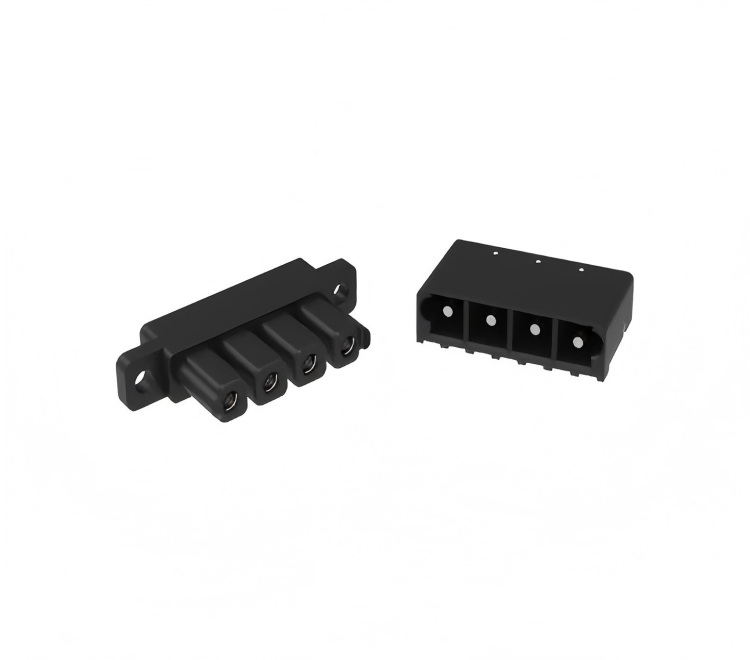


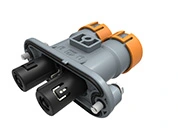
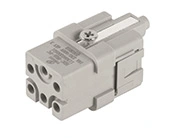
Modern communication networks depend on stable, high-performance connections to support the rapid growth of data transmission, cloud services, industrial automation, and smart devices. Behind every reliable connection is a range of critical components that ensure signals can be transmitted efficiently and consistently. Among them, the telecommunication connector plays an essential role in maintaining the physical connection between cables, equipment, and network infrastructure.
As 5G networks and fiber communication systems continue to expand, connectivity requirements are becoming more demanding. Higher data volumes, lower latency expectations, and more complex network architectures require connectors that can deliver stable performance under challenging operating conditions. Choosing suitable telecom connector types has become an important consideration for network operators, equipment manufacturers, and infrastructure developers.
This article explains why telecommunication connectors are essential for modern communication networks, how they improve signal reliability, where they are used in 5G and fiber infrastructure, and what factors should be considered when selecting connector solutions for future network development.
A telecommunication connector is a key interface component that enables reliable electrical or optical connections between different parts of a communication system. Although connectors are often small compared with other network equipment, their performance directly affects signal quality, system stability, and long-term maintenance efficiency.
In traditional communication networks, connectors mainly focused on establishing basic physical connections. However, modern 5G and fiber communication networks require much higher precision. Network equipment must support faster transmission speeds, greater bandwidth capacity, and continuous operation with minimal signal loss.
For fiber communication systems, connectors must maintain accurate optical alignment between fiber ends to ensure efficient light transmission. Even small alignment issues can increase insertion loss and reduce overall network performance. In 5G infrastructure, connectors must also handle high-frequency signals while providing reliable connections between antennas, base stations, transmission equipment, and power systems.
This is why selecting the right telecom connector types is an important part of network design. Different applications may require different connector structures, materials, environmental protection levels, and installation methods.
Yonggui Electric develops connectivity solutions for communication infrastructure applications, helping customers address different connection requirements in modern network environments. More information about available solutions can be found through the products page.

The expansion of 5G and fiber networks has introduced new challenges for connectivity systems. Communication infrastructure must operate reliably despite increasing data traffic, complex installation environments, and stricter performance expectations.
One major challenge is signal integrity. As communication frequencies increase, even small imperfections in connector design or installation can affect transmission performance. A high-quality telecommunication connector must provide stable contact performance while minimizing signal attenuation and interference.
Environmental conditions create another challenge. Outdoor communication equipment may be exposed to moisture, temperature fluctuations, dust, vibration, and mechanical stress. Without suitable protection, connectors may experience corrosion, connection instability, or reduced service life.
Network scalability is also becoming increasingly important. As operators continue upgrading communication infrastructure, connector solutions must support future expansion and equipment replacement without requiring major system redesign.
Different telecom connector types are developed to address these different challenges. Optical connectors, high-frequency connectors, waterproof connectors, and modular connection systems each serve specific roles depending on network requirements.
The primary purpose of a telecommunication connector is not only to connect components but also to maintain reliable signal transmission throughout the network lifecycle. Connector design, material selection, and manufacturing precision all influence communication performance.
In fiber networks, connector accuracy is especially important because optical signals travel through extremely small fiber cores. A properly designed fiber connector ensures precise alignment between optical fibers, reducing signal loss and improving transmission efficiency.
In 5G networks, connectors are required to support high-frequency signal transmission between antennas, radio units, and other communication equipment. Stable connections help reduce signal interruptions and improve network reliability, especially in applications requiring continuous data exchange.
A well-designed telecommunication connector also simplifies installation and maintenance. Reliable locking mechanisms, durable materials, and standardized designs allow technicians to complete network deployment more efficiently while reducing the possibility of connection failures.
| Comparison Factor | Traditional Communication Connectors | Modern Telecommunication Connectors |
|---|---|---|
| Network Application | Designed mainly for basic connection requirements | Designed for 5G, fiber, and high-speed communication infrastructure |
| Signal Performance | Suitable for conventional transmission needs | Optimized for higher bandwidth and improved signal stability |
| Environmental Protection | May have limited protection in demanding environments | Often designed with stronger protection against moisture, dust, and vibration |
| Installation Requirements | Focused on simple connection processes | Designed for efficient deployment and long-term maintenance |
| Future Adaptability | Limited scalability for advanced networks | Supports evolving communication infrastructure requirements |
The application range of a telecommunication connector covers almost every part of modern communication infrastructure. From network access points to large-scale transmission systems, connectors provide the physical foundation for reliable data exchange.
In 5G networks, connectors are widely used in base stations, antenna systems, remote radio units, and outdoor communication cabinets. These applications require connectors that can maintain stable performance despite exposure to outdoor conditions and continuous operation.
In fiber communication networks, connectors are used in optical distribution systems, data centers, fiber-to-the-home deployments, and backbone transmission networks. Their role is to ensure accurate optical connections between cables, switches, optical modules, and other network equipment.
Industrial communication systems are another important application area. Smart factories, automated production lines, and intelligent transportation systems require reliable communication links, making connector quality an important factor in overall system stability.
Because different applications have different technical requirements, understanding available telecom connector types helps engineers choose solutions that match specific network conditions.
Selecting a suitable telecommunication connector requires consideration of both current network requirements and future development trends. A connector that performs well today should also support future upgrades, higher data capacity, and changing infrastructure needs.
Performance requirements should be evaluated first. Engineers need to consider factors such as signal characteristics, transmission environment, installation conditions, and expected operating lifespan. For fiber applications, optical performance and connection accuracy are essential. For 5G applications, frequency performance, mechanical reliability, and environmental protection are equally important.
The choice among different telecom connector types should also consider compatibility with existing equipment. Standardized and flexible connector solutions can simplify future maintenance and reduce replacement costs.
Supplier capability is another important factor. Communication infrastructure projects often require technical support, customized solutions, and consistent product quality. Working with an experienced manufacturer can help ensure that connector solutions meet both engineering requirements and long-term operational goals.
Yonggui Electric focuses on developing reliable connection solutions for transportation, communication, and industrial applications. Through engineering experience and manufacturing capabilities, Yonggui Electric supports customers looking for dependable connectivity solutions for evolving network environments.
For specific application requirements, technical consultation, or communication infrastructure projects, customers can discuss their needs through the contact page.
As 5G and fiber communication networks continue to expand, the importance of reliable connection technologies will continue to increase. A high-quality telecommunication connector provides the stability required for efficient signal transmission, equipment integration, and long-term network operation.
Understanding different telecom connector types and evaluating factors such as signal performance, environmental adaptability, compatibility, and supplier capability can help organizations build more reliable communication infrastructure.
With increasing demand for faster and more stable connectivity, selecting the right connector solution is not only a technical decision but also an important investment in future network performance.
A telecommunication connector provides a reliable physical connection between communication cables, equipment, and network components, helping maintain stable signal transmission.
5G networks require stable high-frequency connections, and suitable telecommunication connectors help reduce signal loss and improve overall network reliability.
Common telecom connector types include fiber optic connectors, high-frequency connectors, waterproof connectors, and modular connection solutions designed for different applications.
Fiber connectors influence optical alignment accuracy, signal loss, and transmission efficiency, making connector quality important for fiber network performance.
Important factors include transmission requirements, environmental conditions, equipment compatibility, installation needs, and future network expansion plans.
Companies should evaluate supplier experience, manufacturing capability, product quality, technical support, and ability to provide solutions for different communication applications.



 English
  日本語
日本語  Deutsch
  ไทย
ไทย  русский
  العربية