𐄀 Technology Connection to Future


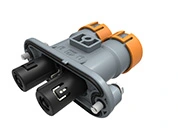
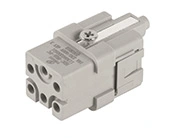
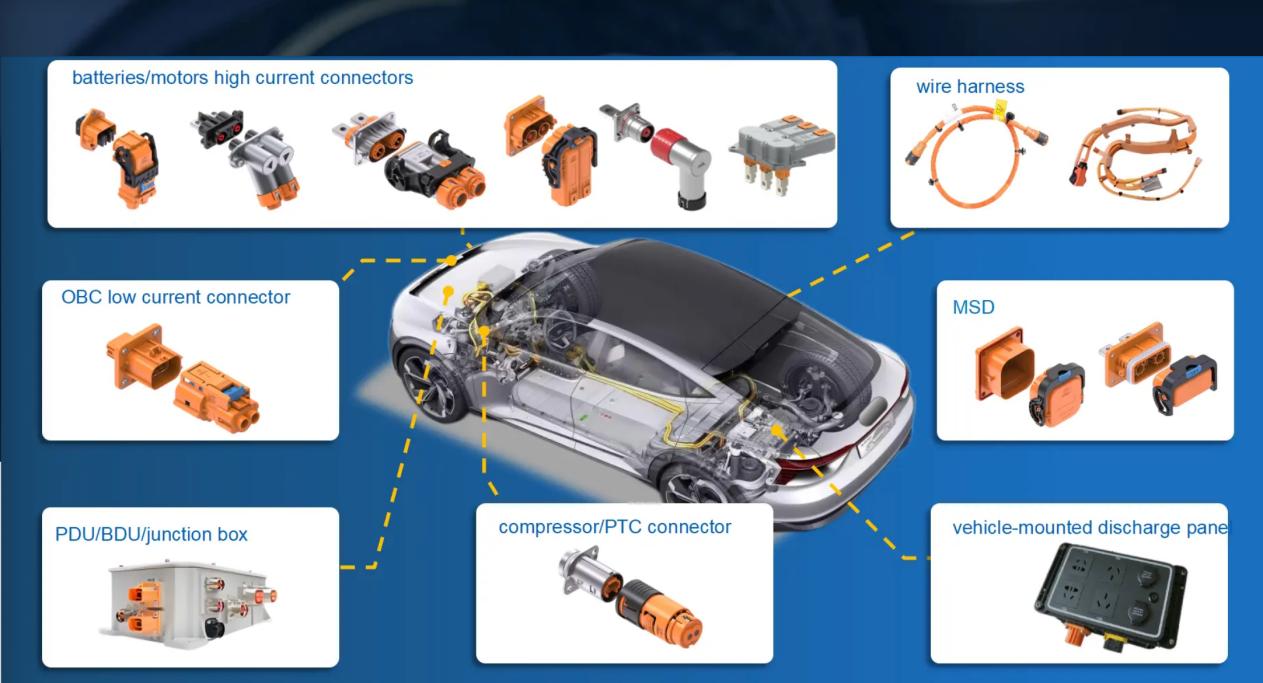
As the global automotive industry aggressively transitions towards electrification, engineering teams face unprecedented challenges in power distribution. The modern New Energy Vehicle (NEV) is no longer just a mechanical marvel; it is a complex, high-power electrical grid on wheels. At the heart of this grid lies a component that dictates both safety and performance: the high-voltage connector system.
For Tier 1 suppliers and automotive OEMs, selecting the right new energy and vehicle connectors is not merely a procurement task—it is a strategic engineering decision that directly impacts vehicle reliability, thermal efficiency, and overall market competitiveness.
The push for faster charging times and extended driving ranges has led to a significant increase in operating voltages (often transitioning from 400V to 800V architectures) and current loads. This shift introduces severe technical bottlenecks.
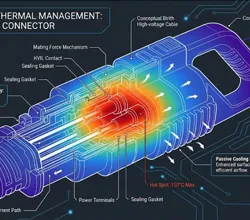
When transmitting hundreds of amperes, even a marginal increase in contact resistance can result in substantial heat generation. Inadequate thermal management at the connection points can lead to accelerated degradation of housing materials, loss of electrical continuity, and in extreme cases, thermal runaway. Automotive engineers must source connectors that balance high-current density with superior heat dissipation capabilities.
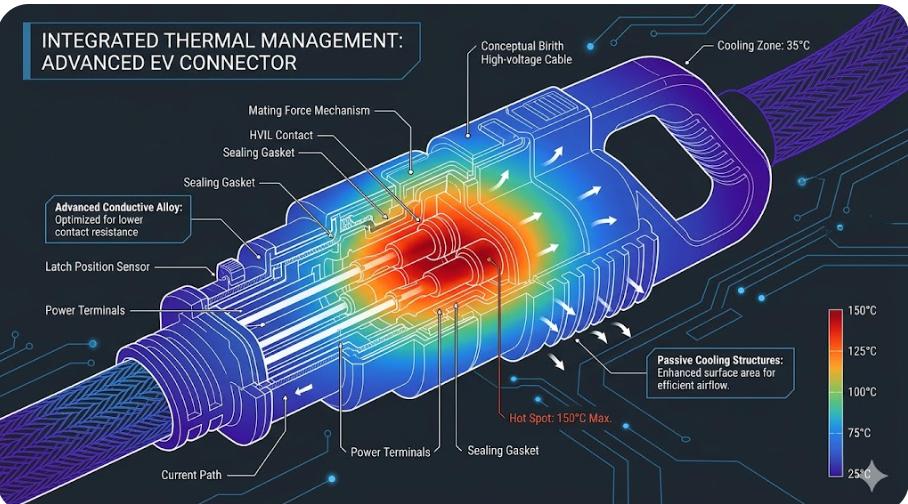
EV connectors are relentlessly exposed to high-frequency vibrations, extreme temperature fluctuations, moisture, and chemical contaminants. Ensuring long-term signal integrity and power transmission under these conditions requires specialized sealing technologies and robust mechanical designs.
To address these industry-wide bottlenecks, Yonggui Electric has engineered a comprehensive portfolio of New Energy and Vehicle Connectors Systems. Designed with the stringent requirements of modern EV platforms in mind, our solutions provide a competitive edge for OEMs.
Uncompromising Safety with HVIL: Our connectors feature advanced High-Voltage Interlock Loop (HVIL) technology, ensuring instantaneous power cut-off during unexpected disconnections, safeguarding both the vehicle's electrical architecture and end-users.
Optimized Thermal Performance: Utilizing proprietary contact technologies and high-grade conductive alloys, Yonggui connectors minimize contact resistance. This ensures optimal thermal management even during ultra-fast DC charging cycles.
Ruggedized for Extreme Environments: Engineered to meet and exceed IP67/IP68 ingress protection ratings, our systems guarantee reliable performance against intense vibrations and corrosive elements, drastically reducing maintenance costs and warranty claims.
Investing in premium connector systems yields a measurable Return on Investment (ROI). By eliminating power bottlenecks and preventing heat-induced failures, OEMs can enhance battery efficiency, reduce the weight of complex cooling systems, and ultimately accelerate their time-to-market. Partnering with a proven manufacturer like Yonggui Electric ensures supply chain stability and technical compliance with international automotive standards (such as IATF 16949).
The transition to high-voltage EV architectures requires components that leave zero room for error. Upgrading your power distribution network with robust, thermally optimized connectors is the first step toward building the next generation of reliable electric vehicles.
Ready to optimize your EV electrical architecture? Explore our complete range of New Energy and Vehicle Connectors Systems or consult with our engineering team today to find the perfect integration for your next project.
 English
  日本語
日本語  Deutsch
  ไทย
ไทย  русский
  العربية