𐄀 Technology Connection to Future


A communication network can only perform as reliably as the smallest connection point allows. While servers, optical systems, and transmission equipment often receive the most attention, the telecommunication connector quietly determines whether signals can travel accurately and consistently through the entire system. A minor weakness in connector design can become a major issue when networks operate under high data loads, continuous usage, and demanding environmental conditions.
Behind every stable connection is a complex balance between electrical performance, mechanical precision, material durability, and application requirements. Modern telecom connector types are no longer simple interfaces for joining circuits; they are engineered components designed to maintain signal integrity, withstand physical stress, and support the increasing complexity of communication infrastructure.
As industries move toward higher-speed networks, denser equipment layouts, and more challenging deployment environments, connector design has become a critical engineering discipline. Yonggui Electric continues to focus on connection technologies that address these challenges, helping customers achieve more reliable performance through carefully engineered connector solutions.
In modern communication systems, maintaining signal integrity is one of the most important requirements for a reliable telecommunication connector. As data transmission speeds increase and network architectures become more complex, connectors must minimize signal loss, interference, and transmission instability.
A connector is not simply a physical bridge between two components. Its internal structure, contact arrangement, impedance control, and shielding design directly influence electrical performance. Even small variations in contact positioning or material properties can affect signal quality, especially in applications requiring stable and continuous data transmission.
Different telecom connector types are developed to meet different electrical and mechanical requirements. Some focus on high-density equipment integration, while others are designed for environments where long-term reliability and resistance to external conditions are more important.
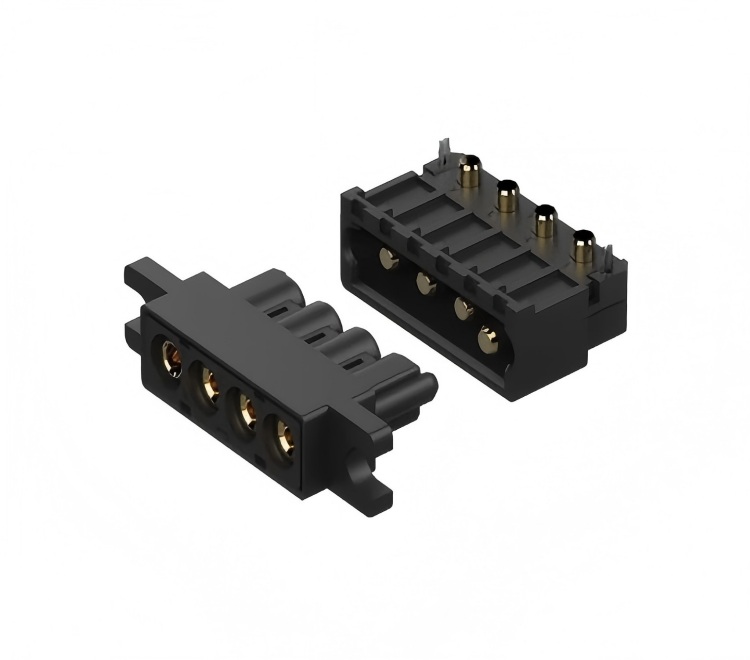
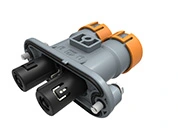
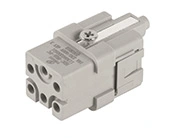
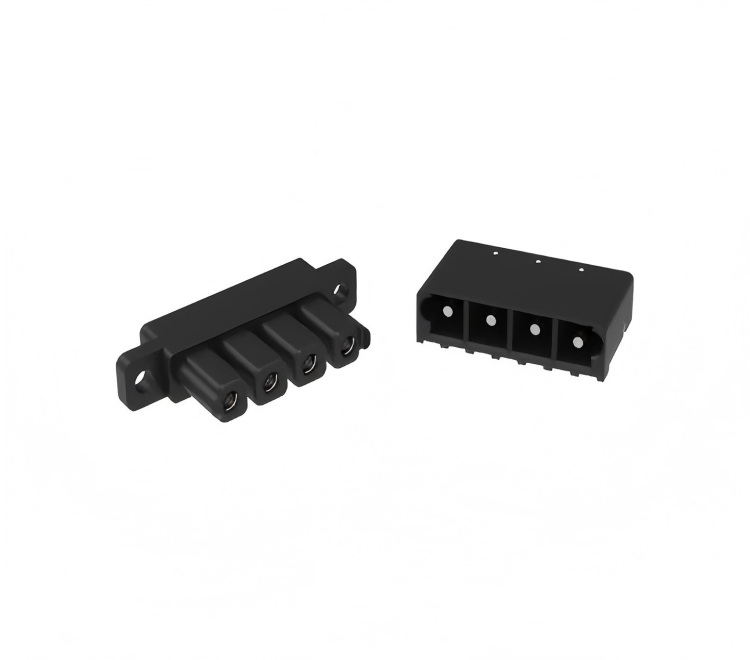
A practical example of this engineering approach can be seen in Yonggui Electric’s 141054 Rectangular Electrical Connector. As one of Yonggui Electric’s popular connector solutions, this model has gained attention for its stable connection performance, reliable structure, and suitability for applications requiring consistent electrical performance. Its design reflects the importance of balancing precision, durability, and application adaptability in modern connector engineering.
For engineers selecting a telecommunication connector, proven application experience is often an important reference point. Products such as the 141054 Rectangular Electrical Connector demonstrate how optimized design and manufacturing consistency can contribute to long-term connection reliability.
| Design Factor | Traditional Connector Challenges | Modern Connector Engineering Approach |
|---|---|---|
| Signal performance | Higher risk of signal loss and interference in demanding applications | Improved contact design and optimized electrical characteristics |
| Connector size | Larger structures with limited installation flexibility | Compact designs supporting higher connection density |
| Environmental resistance | Limited protection in harsh operating conditions | Enhanced sealing and material solutions for challenging environments |
| Long-term reliability | Performance degradation caused by wear and environmental stress | Improved materials and precision manufacturing control |
The demand for smaller electronic systems has significantly influenced the development of modern connector technology. Communication equipment continues to become more compact while requiring more connection points, creating a challenge for engineers: reducing connector size without compromising reliability.
A smaller telecommunication connector requires more precise engineering because reduced space limits design flexibility. Contact spacing, mechanical tolerance, thermal management, and assembly accuracy all become more critical as connector dimensions decrease.
However, miniaturization cannot come at the expense of durability. Connectors must withstand repeated installation cycles, vibration, mechanical stress, and long-term operational conditions. A compact connector must still maintain stable electrical contact throughout its service life.
This balance between size and reliability has driven continuous innovation among different telecom connector types. Advanced connector designs use optimized structures and improved manufacturing processes to achieve higher integration density while maintaining dependable performance.
Yonggui Electric considers both technical performance and practical application requirements when developing connector solutions. By focusing on reliability alongside compact design, Yonggui Electric helps customers address the increasing demands of modern communication systems.

Material selection plays a fundamental role in determining the performance and durability of a telecommunication connector. Because connectors must provide stable electrical transmission while withstanding mechanical and environmental stress, material engineering becomes a key part of connector development.
Contact materials directly influence electrical conductivity and connection stability. They must maintain reliable contact pressure while resisting wear caused by repeated operation. Meanwhile, housing materials need to provide mechanical protection, insulation performance, and resistance against environmental factors.
Different applications require different material characteristics. Indoor communication equipment may prioritize compact structure and lightweight design, while outdoor or industrial applications require stronger resistance against moisture, temperature changes, vibration, and corrosion.
The performance of advanced telecom connector types depends on the interaction between material selection and structural design. The 141054 Rectangular Electrical Connector from Yonggui Electric represents this engineering philosophy by emphasizing stable electrical performance, structural reliability, and long-term application value.
Communication networks are increasingly expanding into outdoor and industrial environments, where connectors must operate under much more demanding conditions. A reliable telecommunication connector used outdoors must maintain stable performance despite exposure to moisture, dust, temperature fluctuations, vibration, and other external factors.
Environmental protection is a major design consideration because contaminants or moisture can affect electrical contacts and reduce connection reliability. Connector structures often require improved protection methods to prevent environmental damage during long-term operation.
Temperature variation creates another challenge. Different materials may expand and contract at different rates, which can influence mechanical stability and electrical contact performance. Proper material matching and structural design help reduce these risks.
Selecting suitable telecom connector types depends heavily on the application environment. Communication base stations, industrial control systems, transportation equipment, and outdoor network infrastructure may all require different connector characteristics.
Yonggui Electric focuses on developing connection solutions that consider real-world operating conditions, helping customers achieve stable performance even in complex environments.
A high-performance telecommunication connector requires not only good design but also consistent manufacturing quality. Since connectors involve precise mechanical structures and electrical contact systems, even small production variations may affect performance.
Manufacturing accuracy is especially important for contact components. Stable connection performance depends on precise positioning, appropriate contact force, and consistent assembly quality. Without strict process control, connectors may experience inconsistent electrical performance during large-scale deployment.
Quality management throughout production helps ensure connector reliability. Material inspection, dimensional verification, electrical testing, and performance evaluation all contribute to maintaining stable product quality.
As communication systems become increasingly sophisticated, advanced telecom connector types require higher manufacturing precision. Yonggui Electric applies engineering experience and quality control practices to support reliable connector solutions for demanding applications.
The future development of communication networks is creating new challenges for connector engineering. Higher data requirements, increased equipment density, and more diverse application environments are driving continuous improvements in telecommunication connector design.
Future connector solutions must achieve multiple goals at the same time: higher transmission reliability, smaller size, stronger environmental adaptability, and longer service life. These requirements are pushing connector manufacturers to improve both product design and manufacturing technology.
The evolution of telecom connector types is closely connected with broader trends such as intelligent networks, industrial communication, and advanced infrastructure systems. Connectors are becoming more than simple connection components; they are important elements that influence overall system performance.
For engineers evaluating different connection solutions, understanding product structure, technical characteristics, and application suitability is essential. Yonggui Electric’s connector product portfolio provides information about different connection solutions developed for various electrical and industrial requirements.
Because every application has different installation conditions and performance expectations, technical communication is an important part of connector selection. Customers with specific project requirements can discuss application details and solution considerations through Yonggui Electric’s technical contact channel.
The engineering behind a reliable telecommunication connector involves much more than creating a physical connection point. Signal integrity, miniaturization, material performance, environmental protection, and manufacturing precision all influence whether a connector can deliver stable performance over time.
As communication networks continue to develop toward higher speeds and greater complexity, advanced telecom connector types will play an increasingly important role in supporting reliable connectivity. Through continuous innovation and application-focused engineering, Yonggui Electric continues to provide connection solutions designed to meet the evolving requirements of modern communication and industrial systems.
A telecommunication connector provides a reliable electrical interface for transmitting signals between communication devices, cables, and network systems.
Signal integrity ensures accurate data transmission by reducing signal loss, interference, and communication instability.
Telecom connector types vary by application and may include solutions designed for equipment connections, industrial systems, and outdoor communication environments.
Materials influence conductivity, mechanical strength, environmental resistance, and the long-term reliability of connectors.
The 141054 Rectangular Electrical Connector is designed with stable electrical performance, precise structure, and reliable connection characteristics for demanding applications.
Future networks require connectors that are smaller, faster, more durable, and capable of supporting increasingly complex communication systems.

 English
  日本語
日本語  Deutsch
  ไทย
ไทย  русский
  العربية