𐄀 Technology Connection to Future


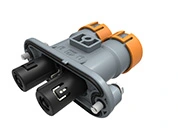
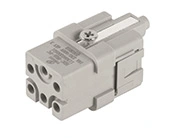
As electric vehicles (EVs) continue to evolve toward higher voltage, greater intelligence, and faster charging, one critical component quietly orchestrates the entire power flow—the PDU in electric vehicle systems. Often referred to as the "brain" of the EV power system, the battery PDU (Power Distribution Unit) plays a decisive role in safety, efficiency, and reliability across modern electric and hybrid vehicles.
A PDU in electric vehicle architecture is a high-voltage power distribution unit designed to manage and protect electrical energy from the battery pack to various vehicle subsystems. Unlike traditional low-voltage fuse boxes, an EV battery PDU operates under high-voltage conditions and integrates intelligent control, protection, and monitoring functions.
The PDU distributes power to key systems such as:
Traction motor and inverter
DC/DC converter
On-board charger (OBC)
Fast and slow charging circuits
Air conditioning and heating systems
Electric steering and auxiliary loads
By acting as a centralized power hub, the battery PDU ensures stable energy delivery while preventing overloads, short circuits, and unsafe operating conditions.
The reason the battery PDU is often called the "brain" lies in its decision-making and protection capabilities. It does far more than distribute power—it actively controls and safeguards the entire high-voltage system.
Modern PDUs integrate:
High-voltage contactors and fuses
Current and voltage sensing
Short-circuit and overload protection
On/off control logic
Communication with BMS and vehicle controllers
In real time, the PDU determines when to connect or disconnect power to specific circuits based on vehicle status, charging conditions, and fault detection. This intelligent coordination enables safe startup, shutdown, charging, and emergency protection—functions that are essential for both passenger safety and vehicle longevity.
High-voltage safety is one of the most searched and discussed topics in the EV industry, and the PDU electric vehicle systems sits at the center of this challenge.
A well-designed battery PDU:
Prevents thermal runaway by isolating faulty circuits
Protects components from overcurrent and short-circuit damage
Supports insulation monitoring and fault diagnostics
Enhances compliance with global automotive safety standards
As EV platforms transition to 400V and 800V architectures, PDUs must handle higher power density while maintaining compact size and high reliability. This makes material selection, internal layout, and thermal design critical aspects of modern PDU engineering.
YONGGUI specializes in customized battery PDU solutions designed for a wide range of electric mobility applications. YONGGUI's PDU (Power Distribution Unit) is a high-voltage distribution unit for pure electric and hybrid passenger cars, commercial vehicles, low-speed vehicles, and buses.
Comprehensive power distribution for battery, motor, DC/DC, charging, HVAC, steering, and auxiliary systems
Short-circuit and overload protection using automotive-grade fuses and contactors
Intelligent on/off control for safe power management
Flexible installation: front cabin for passenger vehicles, rear cabin for buses
Customized design based on voltage level, current rating, vehicle layout, and customer requirements
By offering tailor-made PDU designs, YONGGUI helps OEMs optimize space utilization, reduce system complexity, and improve overall vehicle performance. Whether for high-performance EVs or heavy-duty electric buses, YONGGUI PDUs are engineered to meet demanding automotive standards.
The future of the PDU in electric vehicle platforms is moving toward greater integration and intelligence. PDUs are increasingly combined with BMS functions, solid-state switching, and advanced diagnostics to support software-defined vehicles.
Key trends include:
Integration with vehicle domain controllers
Solid-state relays replacing mechanical contactors
Enhanced data communication and predictive maintenance
Lightweight and compact modular designs
As EV technology advances, the battery PDU will remain a core enabler of safe, efficient, and intelligent electric mobility.

 English
  日本語
日本語  Deutsch
  ไทย
ไทย  русский
  العربية