𐄀 Technology Connection to Future
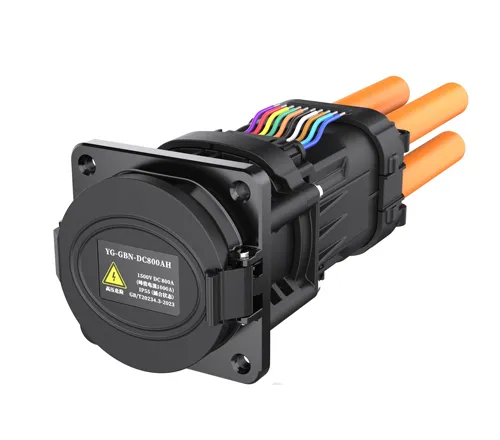


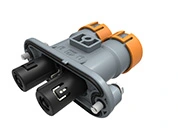
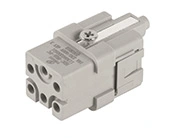
Up to 1000 A peak current, modular quick replacement, and real-time thermal monitoring for battery-electric heavy-duty commercial vehicles
Commercial EV Market Momentum
With the scaled deployment of electric heavy-duty trucks and the rapid expansion of charging infrastructure, commercial vehicle operators are placing greater emphasis on charging speed, system stability, and lifecycle maintenance cost.
Electric heavy-duty trucks are moving from demonstration projects into high-utilization fleet operations. Policy support, lower operating cost, and improved charging networks are accelerating adoption across long-haul logistics, ports, mines, and regional distribution.
Industry data indicates that China's electric heavy-duty truck sales reached 231,100 units in 2025, with penetration projected to exceed 50% by 2030. In the first half of 2025, domestic electric heavy-duty truck sales increased by 186% year on year.
As fleet deployment accelerates, charging efficiency is becoming one of the key factors that determines vehicle uptime. The challenge is no longer simply whether a vehicle can be charged; it is whether the charging interface can support faster, safer, and more service-friendly operation under demanding real-world conditions.
Limited long-distance operating range: in trunk-line transport, remaining battery capacity can become a major concern for drivers and fleet managers.
Long charging time: charging sessions lasting one to two hours can reduce daily vehicle utilization and create operational congestion.
Thermal derating and interface damage: high-current charging generates significant heat, which may cause system current limiting or even charging-port damage.
High service burden in harsh environments: water, dust, humidity, vibration, and temperature extremes can increase failure risk and make replacement more time-consuming.
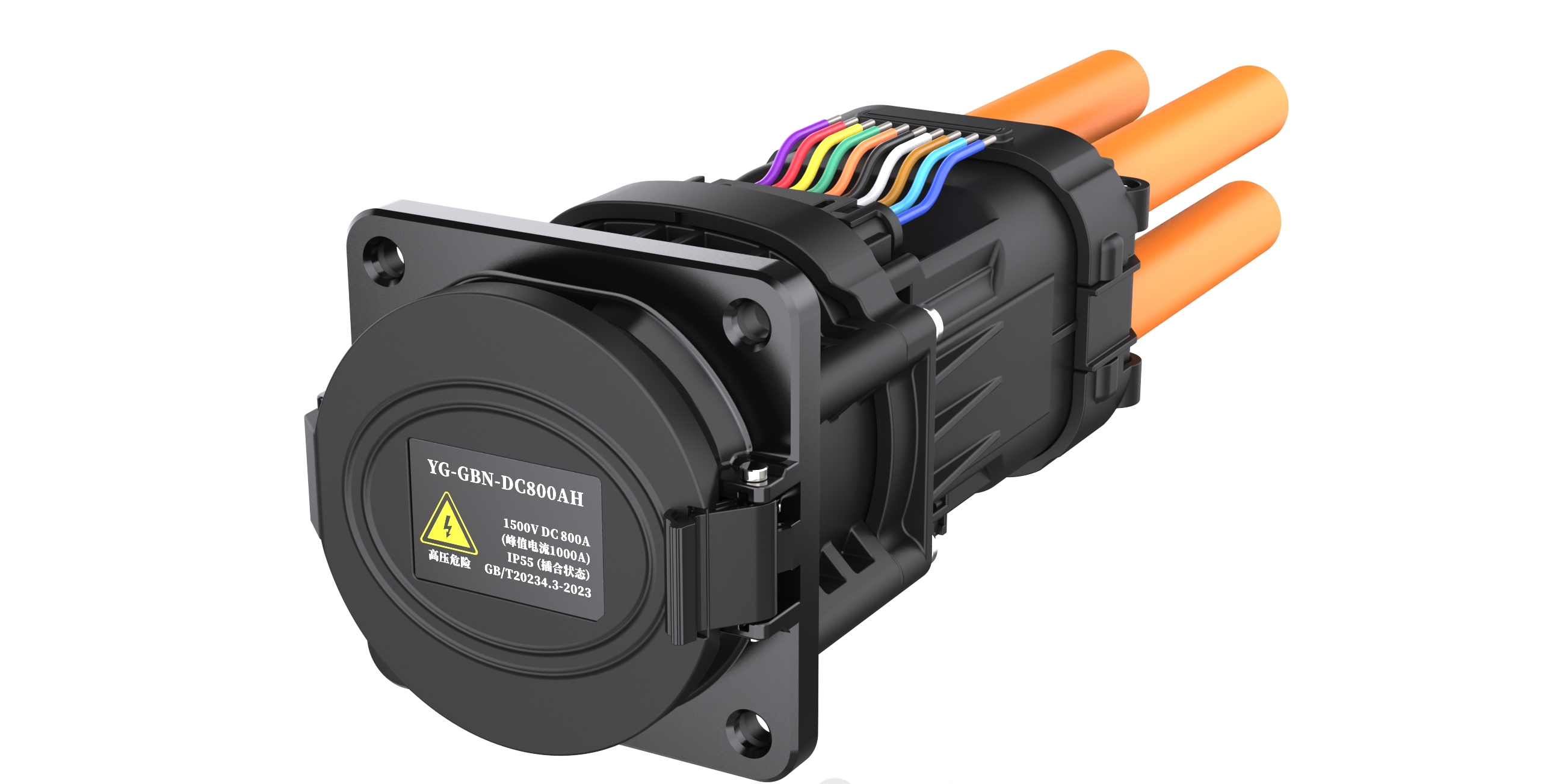
To address these challenges, Yonggui developed the GB Series-800 GB/T DC charging inlet with upgrades across electrical architecture, modular serviceability, thermal monitoring, environmental protection, and installation design. The product is engineered for new energy commercial vehicles that require fast turnaround, stable charging performance, and predictable maintenance.
The GB Series-800 adopts a four-line cable architecture to improve current-carrying capability beyond conventional two-line designs. The inlet supports a peak current of up to 1000 A.
Using an 800 kWh battery pack as a reference case, a dual-inlet configuration can theoretically complete charging in about 30 minutes under ideal conditions. Compared with a typical 400 A dual-inlet solution, this can reduce a single charging session by more than 30 minutes.
Ultrasonic-welded terminals help reduce contact resistance and thermal resistance at the connection point, supporting more stable heat management during high-current charging.
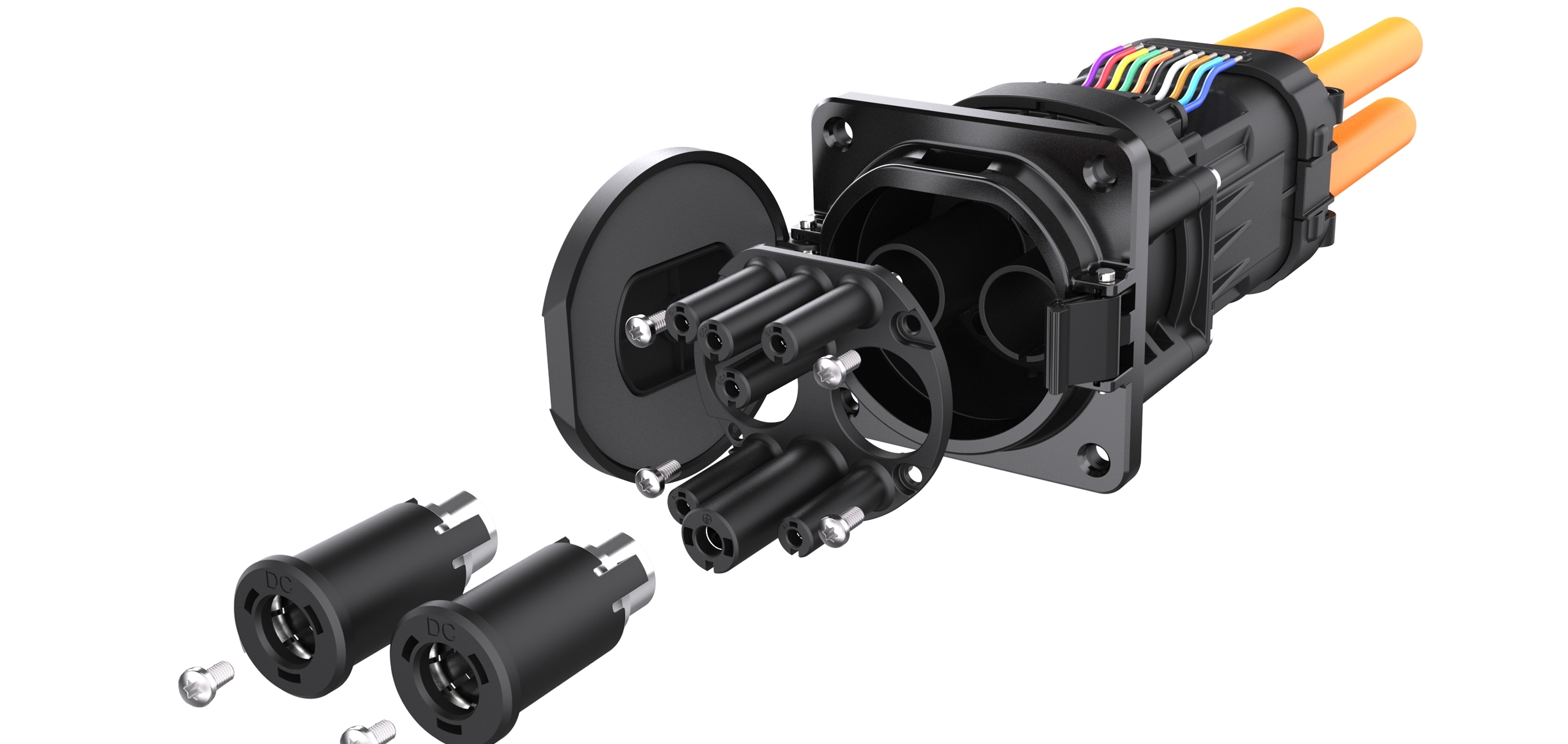
The DC power receptacles, signal receptacles, and PE receptacles are designed as independently replaceable modules. When one component needs service, it can be replaced individually without disassembling the entire inlet.
The structure supports single-person replacement in about five minutes, helping reduce downtime and service cost while extending the usable life of the complete charging inlet assembly.
The integrated PCBA uses a high-voltage and low-voltage partitioned layout. Combined with efficient heat conduction from conductive components, it enables temperature-sampling accuracy within 5 K and supports real-time monitoring of charging status.
The A+ and A- signal circuits are rated for 10 A and provide stronger surge withstand capability, helping reduce the risk of auxiliary circuit burnout and charging-function loss.
Commercial vehicle operations often involve mining dust, port humidity, sand and wind, high vibration, and cold winter environments. The GB Series-800 uses a metal flange with an enhanced surface treatment to resist peeling and corrosion during long-term use.
The inlet provides IP54 protection at the unmated interface, IP55 after mating, and IP67 protection for electrical insulation. With an operating temperature range of -30 °C to 50 °C, it is designed to adapt to demanding field conditions.
The rear-mounted DC cable assembly design helps simplify production assembly and improve harness organization. A multi-point tail-end cable clamp helps prevent cable movement and improves the reliability of internal connections.
An optional PE connection adapter makes grounding connections more convenient, reducing installation complexity and supporting more efficient vehicle-level integration.
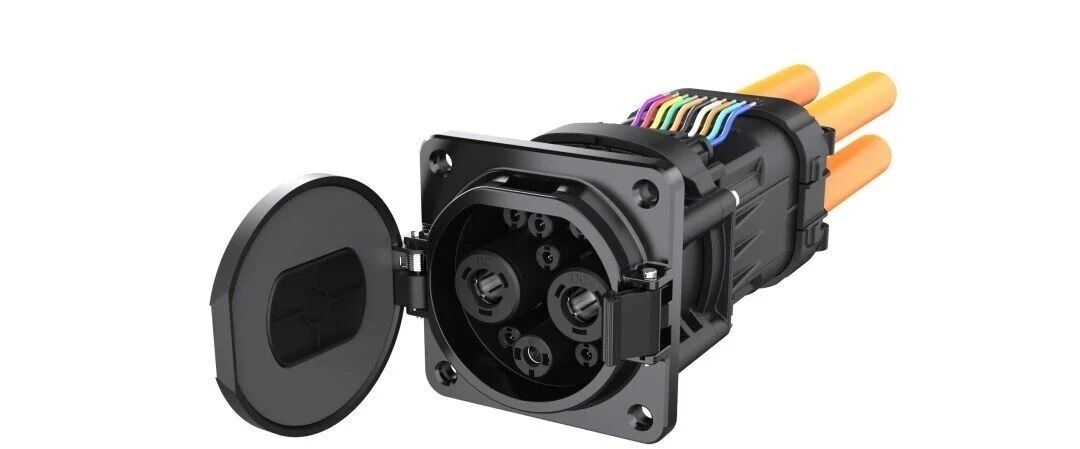
The GB Series-800 has undergone durability and operating-condition verification to meet the needs of heavy-duty vehicle operation, high vibration, and complex environments. Key specifications include:
Item | Parameter |
Product standards | GB/T 18487.1-2023; GB/T 20234.1/3-2023 |
Rated voltage | 1500 V DC |
Rated current | 500 A / 600 A / 700 A / 800 A / 900 A |
Peak current | 1000 A |
Protection rating | IP54 at the unmated interface; IP55 after mating; IP67 for electrical insulation |
Operating temperature | -30 °C to 50 °C |
Improving charging efficiency requires more than a single component upgrade; it depends on coordinated progress across vehicles, charging infrastructure, and high-power connection technologies. Yonggui continues to develop high-power interconnection solutions around megawatt-class charging, liquid-cooled charging, and wireless charging.
From trunk-line logistics to mining and port operations, and from fast-charging networks to high-utilization fleet-charging scenarios for heavy-duty commercial vehicles, the GB Series-800 GB/T DC charging inlet is designed to support faster, safer, and more reliable operation. Yonggui will continue working with industry partners to build an efficient, safe, and sustainable charging ecosystem for commercial vehicle electrification.


 English
  日本語
日本語  Deutsch
  ไทย
ไทย  русский
  العربية